
Why Professional Furniture Photography Helps Products Stand Out Online
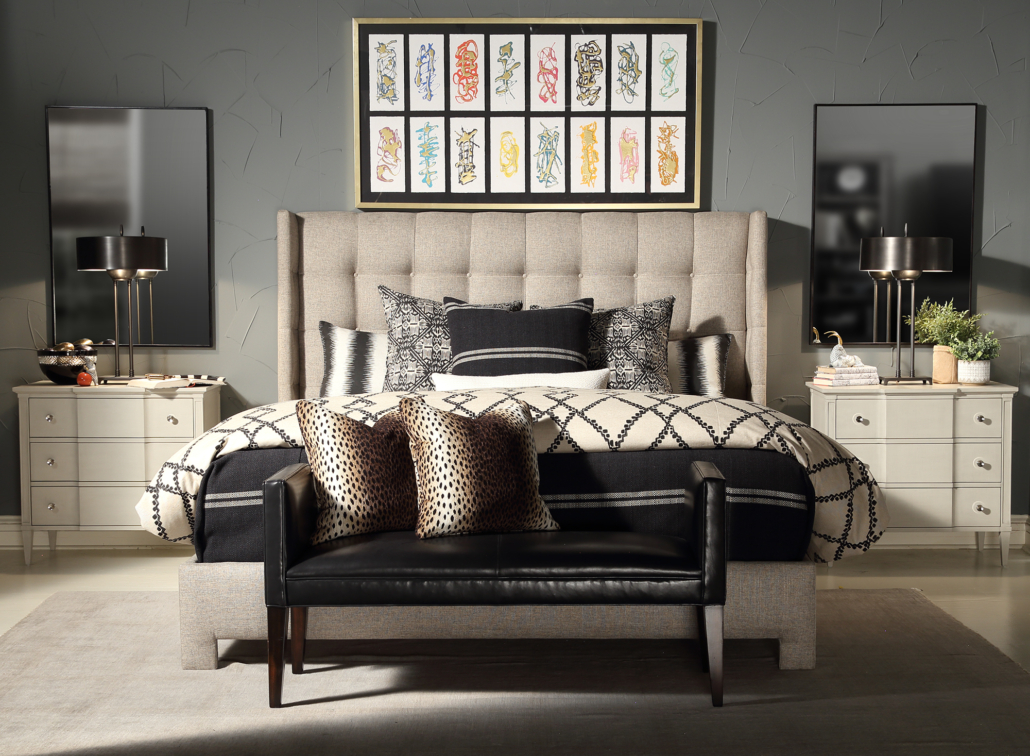
Furniture shoppers make fast decisions online. Before they read dimensions, construction details, or care instructions, they respond to the image. Strong product photography helps a piece feel tangible, desirable, and trustworthy, even when the customer cannot see it in person. That is why so many home furnishings brands invest in professional furniture photography in High Point, NC.
For furniture manufacturers, retailers, designers, and showrooms, professional photography is more than a record of a product. It is a sales asset that can support websites, catalogs, retailer portals, social media, digital advertising, press outreach, and High Point Market presentations. A well-planned shoot creates a consistent visual library that keeps working long after production wraps.
Professional Images Create a Strong First Impression
A smartphone can document a sofa or dining table, but documentation is not the same as presentation. Professional furniture photography uses intentional lighting, camera position, styling, and post-production to show form, texture, finish, and proportion clearly. The goal is not to make the product look artificial. It is to help the viewer understand what makes the piece distinctive.
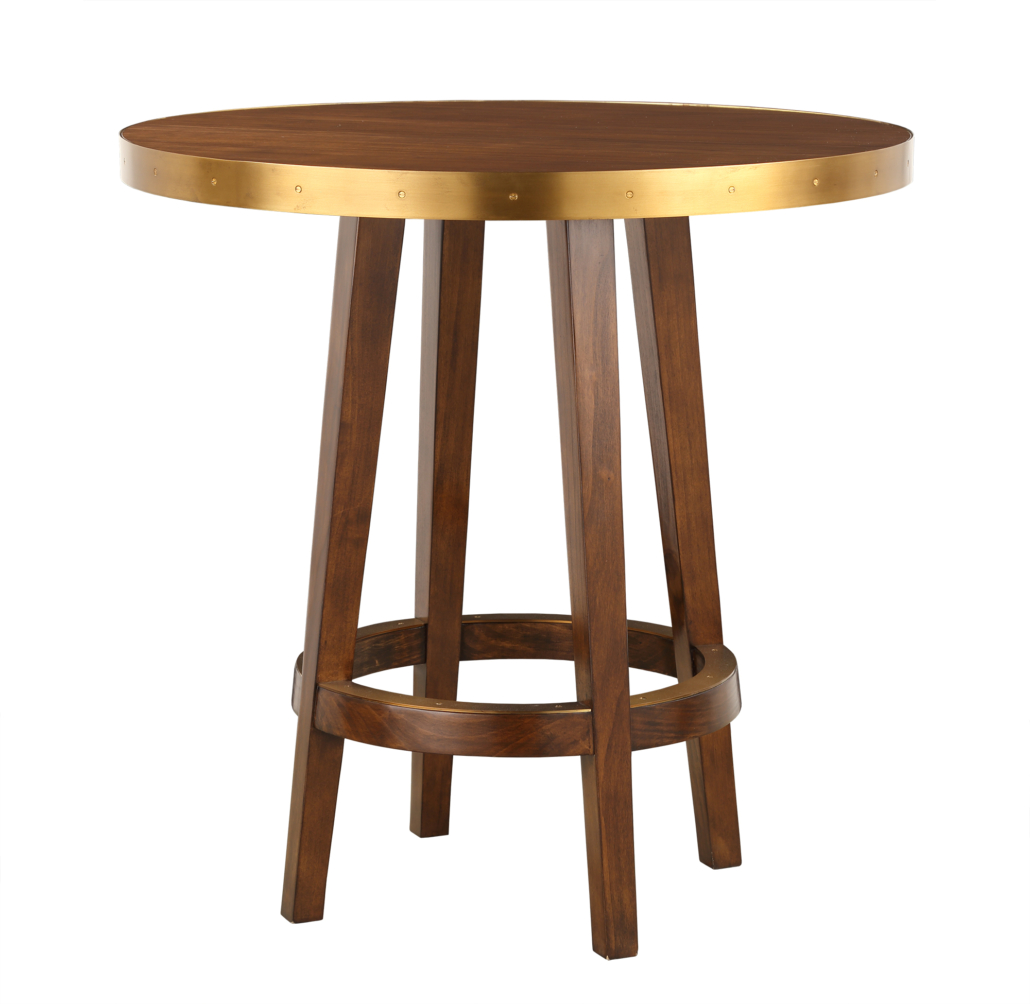
A clean product image on white keeps attention on shape, finish, and proportion.
That distinction matters in a crowded digital marketplace. When several products appear side by side in search results or on a retailer’s website, polished photography can help a brand look established and consistent. It also reduces distractions that pull attention away from the design.
Room Scenes Give Buyers Context
Clean product images on a neutral background are useful for e-commerce, specifications, and catalogs. Room-scene photography serves a different purpose: it helps customers imagine the product in a real environment. A styled bedroom, living room, dining room, or office shows scale and suggests how the piece can function within a complete space.
Room scenes are especially valuable for upholstery, case goods, lighting, rugs, and accessories. They allow brands to communicate a lifestyle while keeping the product at the center of the image. One thoughtfully designed set can also create multiple angles, detail shots, horizontal website banners, vertical social images, and supporting content for a collection launch.
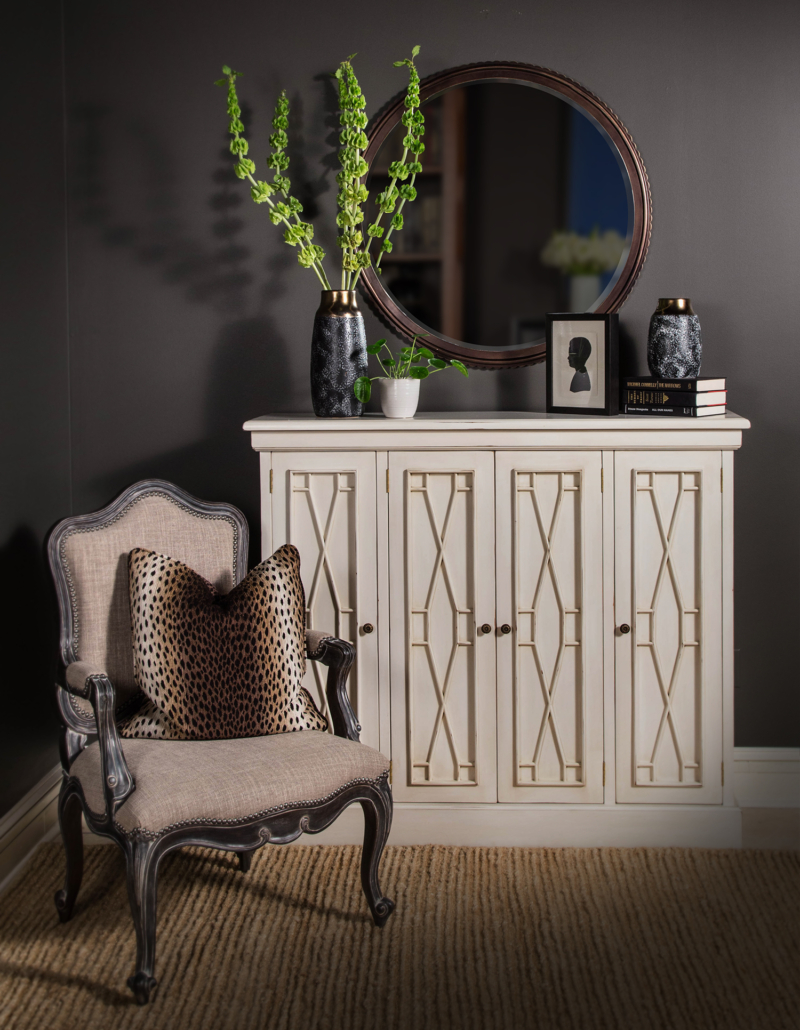
A styled vignette shows scale and suggests how pieces can work together in a room.
Consistent Photography Strengthens Brand Recognition
Customers may encounter a furniture brand on Instagram, a dealer’s website, a digital catalog, or an email campaign. If the visual style changes dramatically from one channel to the next, the brand can feel disconnected. Consistent lighting, backgrounds, styling, color treatment, and image crops create continuity across every touchpoint.
Consistency also makes future marketing easier. When a company establishes a repeatable photography approach, new products can be added without rebuilding the visual language each time. This is particularly useful for seasonal introductions and growing collections.
Accurate Color and Detail Build Confidence
Furniture purchases involve materials and details that customers want to inspect closely. Fabric texture, wood grain, hardware, stitching, edge profiles, and finishes can influence whether someone continues exploring a product. Professional lighting and color-managed editing help preserve those details without making the image feel flat or overly processed.

Detail photography lets shoppers see weave, texture, and finish up close.
Detail images can also answer questions before they become obstacles. A close-up of a drawer pull, performance fabric, carved leg, or joinery detail gives shoppers more information and helps sales teams tell a stronger product story.
A Better Shoot Starts With a Better Plan
The most efficient furniture photography projects begin before the first product reaches the set. A clear shot list helps the creative team prioritize essential images and identify opportunities to create additional marketing assets during the same session.
Before production, consider:
- Where the images will appear, including websites, catalogs, marketplaces, advertising, email, and social media
- Which products need clean individual images and which benefit from styled room scenes
- Required image orientations, crops, dimensions, and background treatments
- Important construction details, materials, and design features to highlight
- Whether the shoot should also capture short-form video or behind-the-scenes content
Planning these needs together can reduce duplicate work and produce a more useful library of content.
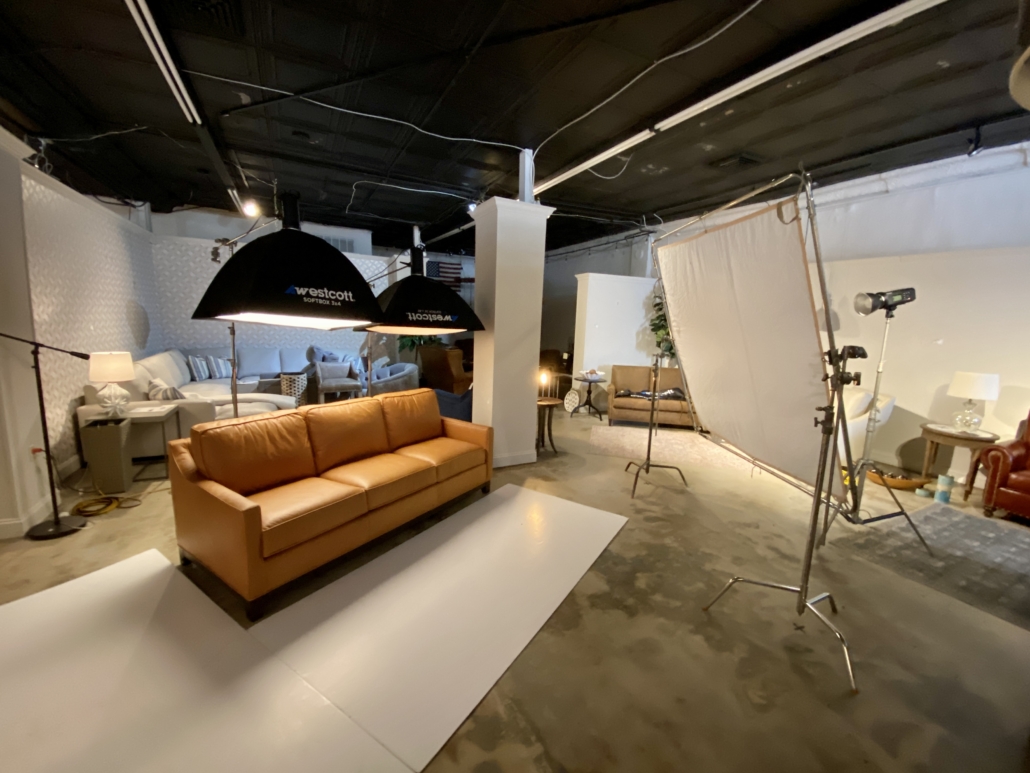
Overhead softboxes and a large diffusion panel shape the light on a leather sofa on set.
Furniture Photography in High Point NC
High Point sits at the center of the home furnishings industry, making local production especially valuable for brands preparing for markets, launches, dealer presentations, and seasonal campaigns. Working with a studio that understands furniture scale, room scenes, product handling, and multi-channel delivery can make the process more efficient from pre-production through final files.
Gefen Productions has created professional video and photography since 1983. From its High Point studio, the team provides pre-production, production, and post-production services for furniture, products, portraits, and corporate content.
Create Images That Keep Working
The strongest photography does more than make a product look attractive. It helps buyers understand the design, gives sales teams flexible assets, and keeps a brand visually consistent across channels. If your company is planning a new collection, refreshing its website, or preparing for High Point Market, Gefen Productions can help build a photography plan around the ways your images need to perform.
Explore our photography and video portfolio, or contact Gefen Productions to discuss your next project.
